 (405) 465-0059
 3030 NW Expressway Ste. 200 #395, Oklahoma City, Oklahoma 73112
How Quickly Does Mold Grow After Storms? Mold Removal Tips to Act Fast
Storms in Oklahoma City, OK, can leave homes vulnerable to one of the fastest-growing threats homeowners face: mold. Understanding the mold growth timeline after water intrusion, and knowing when to call for professional mold removal, can mean the difference between a contained cleanup and a costly, health-threatening infestation.
How Fast Does Mold Grow After a Storm?
Mold can begin to grow within 24 to 48 hours of water entering a structure. Spores are always present in the air and simply need moisture, warmth, and an organic surface like drywall, wood, or insulation to begin colonizing. By 48 to 72 hours, visible patches may already appear on wet surfaces.
Oklahoma City averages around 50 thunderstorm days per year, with heavy storms common during spring and early summer. Combined with flat terrain and clay-heavy soils, the risk of flooding rises significantly after these events. Indoor humidity levels surge, creating near-ideal conditions for rapid mold growth.
Why Oklahoma City Storms Create High Mold Risk
Oklahoma City's geography works against homeowners after a storm. About 14% of buildings in Oklahoma City, OK, are at high risk of flooding. Neighborhoods near the North Canadian River, Lake Overholser, and low-lying corridors from Edmond to Moore and Norman can see water intrude through foundations, doors, and window frames within minutes of a major storm.
Once water gets in, it saturates drywall, flooring, and insulation. Warm indoor temperatures after a summer storm combine with trapped moisture to accelerate mold growth even further. Prompt mold removal is the most reliable way to prevent that growth from spreading into walls and structural materials.
First Steps Homeowners Should Take Within 24 Hours
Acting fast after storm water enters your home can limit mold's opportunity to spread. Time is the most critical factor.
Here are the first steps to take immediately:
- Remove standing water using a wet-dry vacuum or mop as quickly as possible.
- Open windows and doors to increase airflow if outdoor humidity allows.
- Use fans and dehumidifiers to begin drying wet areas right away.
- Remove and discard water-soaked rugs, cardboard, and porous materials that cannot be thoroughly dried.
- Pull up wet carpet padding, which traps moisture and becomes a mold source quickly.
- Document all damage with photos before removing any materials, for insurance purposes.
These steps can help slow mold's early colonization window. However, they are not a substitute for professional assessment, especially when water has reached inside walls or subfloor areas.
What Areas Are Most Likely to Harbor Hidden Mold?
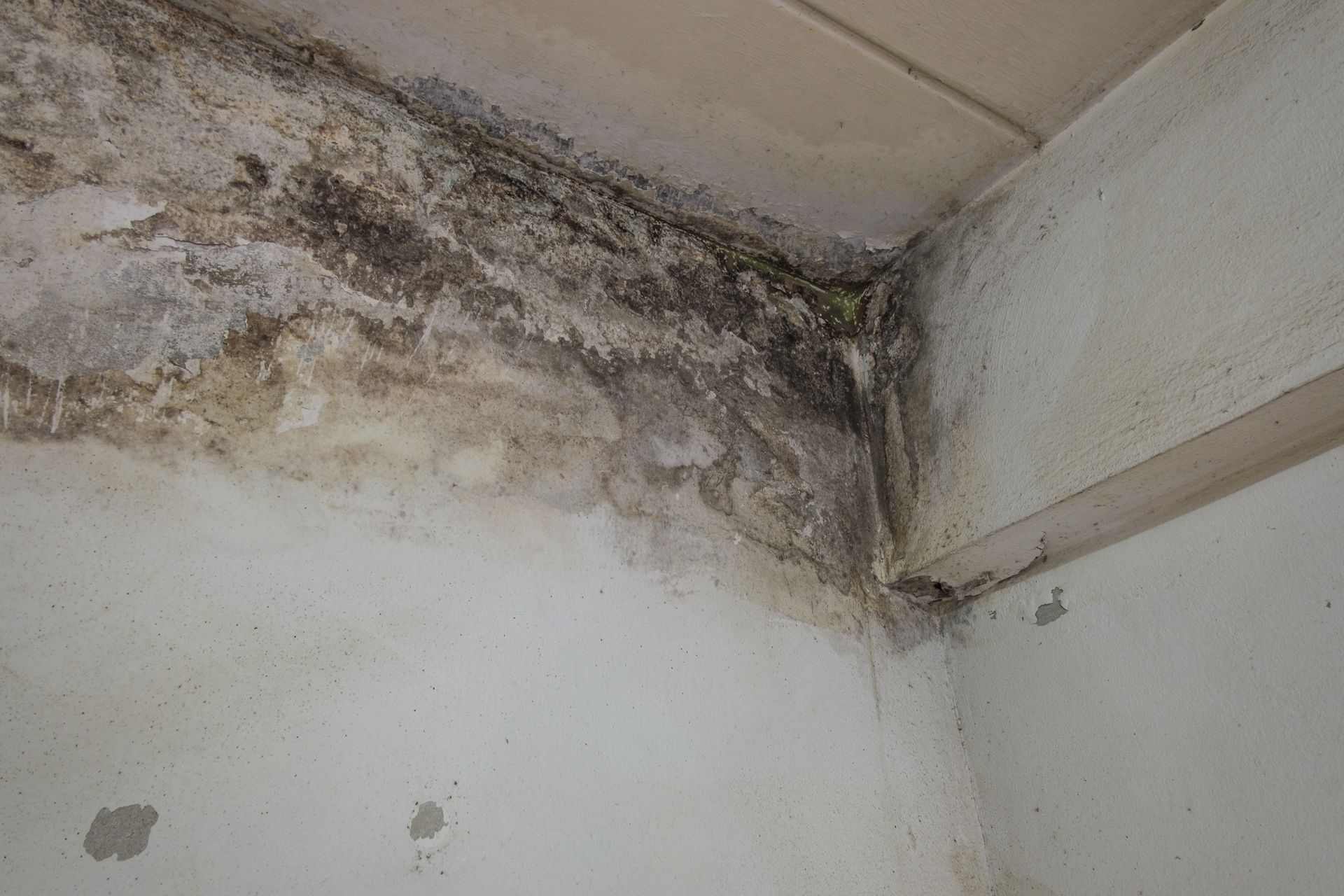
Hidden mold often develops where homeowners cannot easily see. Crawl spaces, wall cavities, attic decking, and HVAC systems are common locations. Mold in these spaces may not be visible for days or weeks, but it continues to spread and release spores into the air your family breathes. Scheduling mold removal early, before growth reaches hidden cavities, significantly reduces the scope of remediation needed.
When DIY Is Not Enough
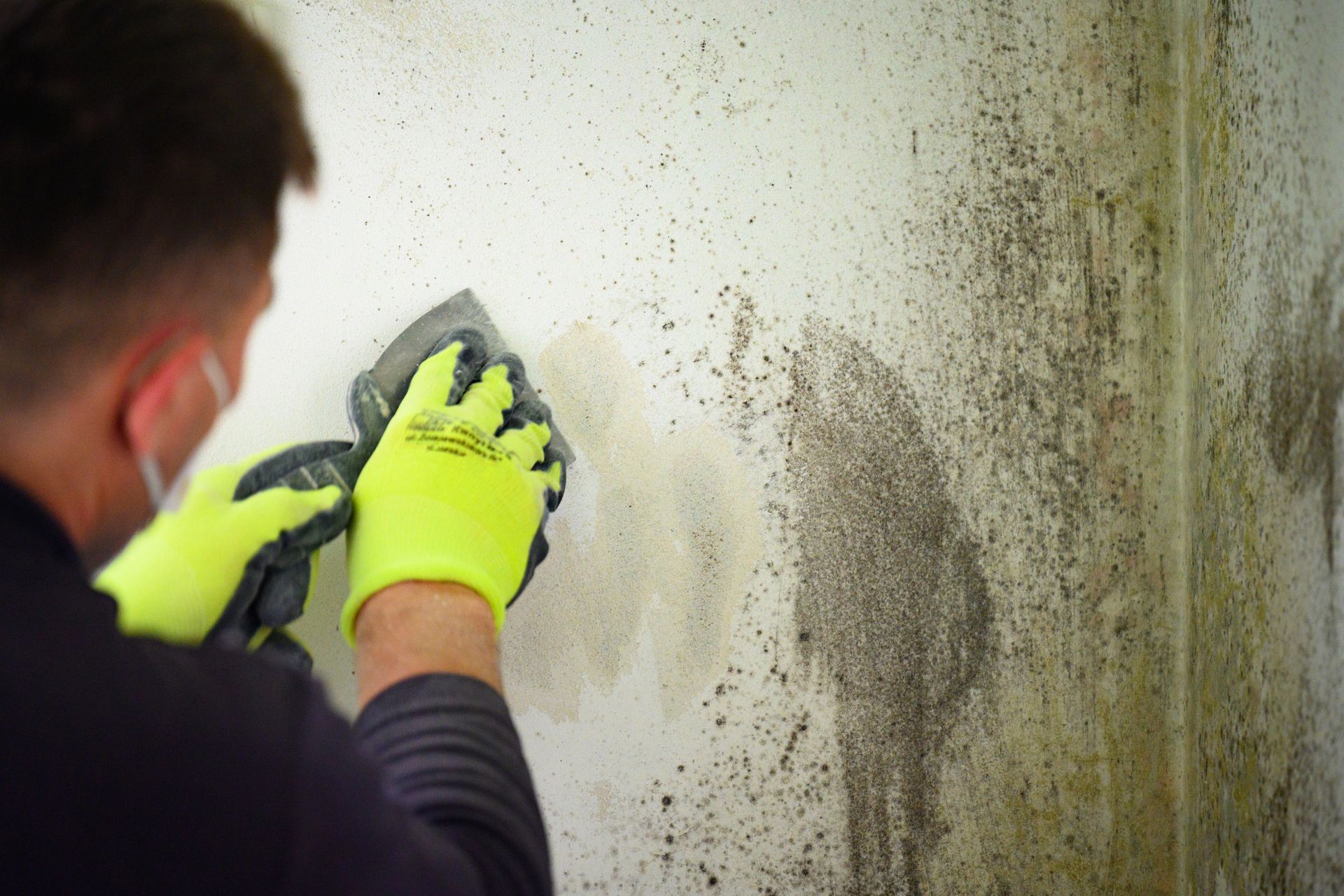
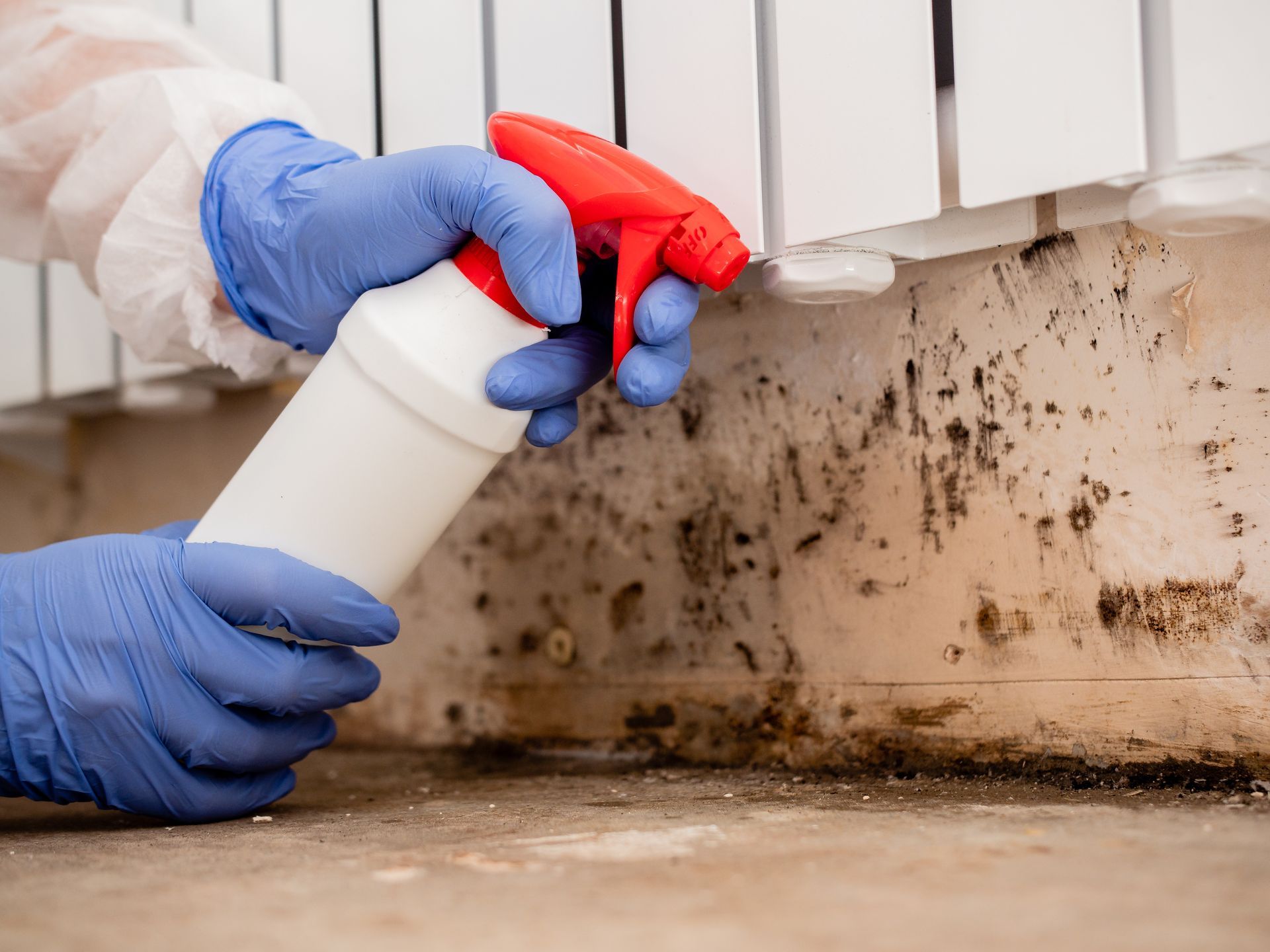
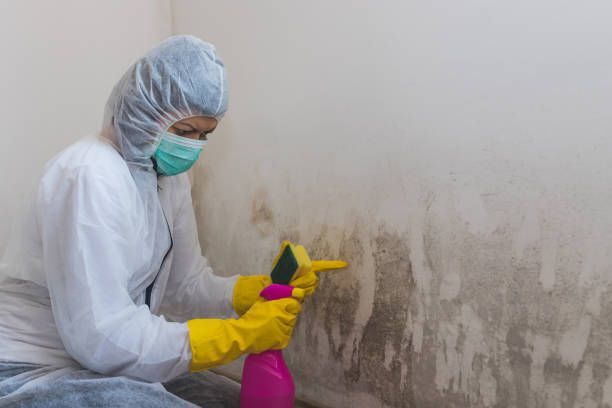
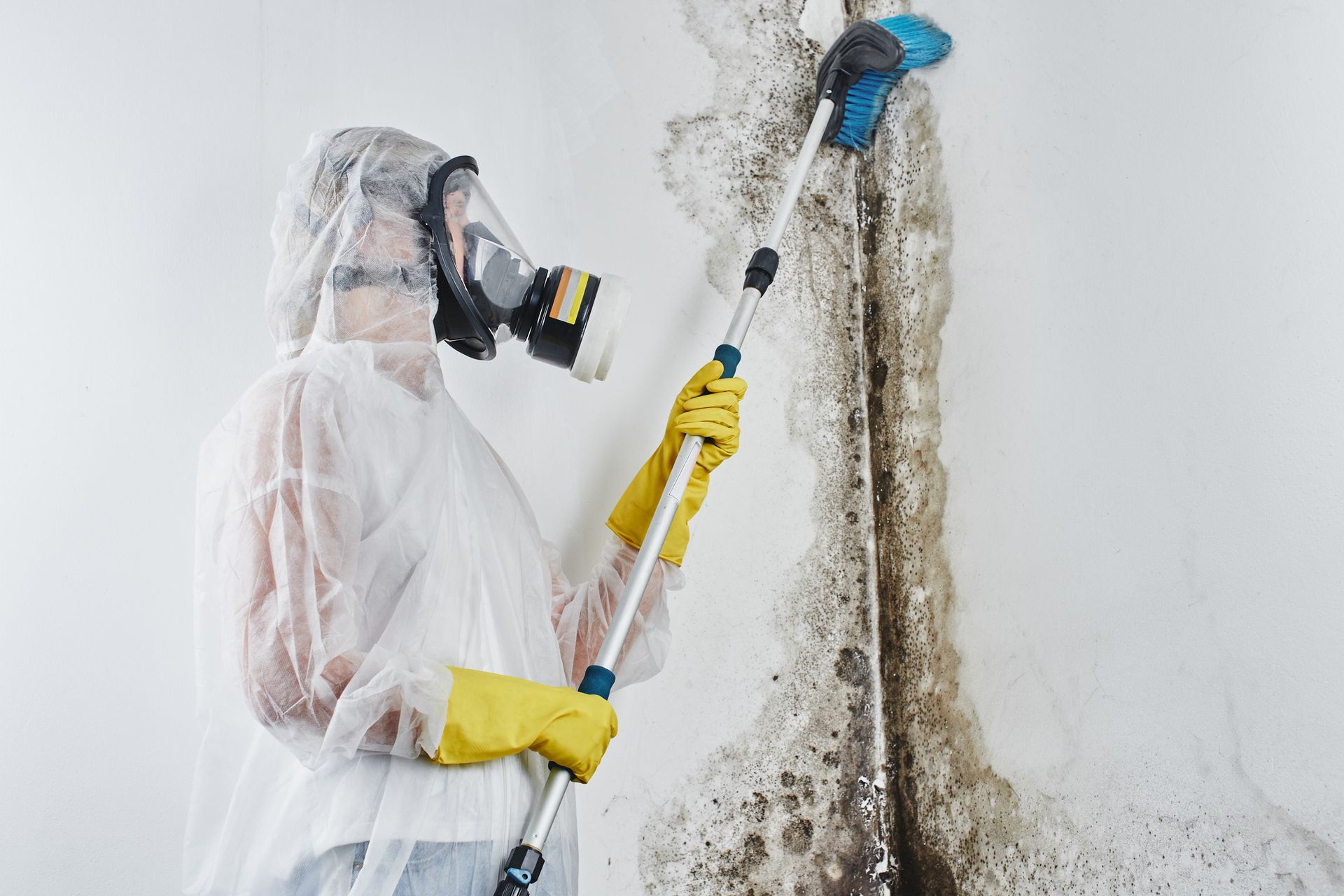
Surface-level mold on a small, non-porous area may be manageable with proper cleaning products and protective gear. But after storm flooding in Oklahoma City, OK, the scale of moisture intrusion often exceeds what a homeowner can safely address alone.
Professional mold removal is generally needed when:
- Water has entered wall cavities or subfloor systems.
- The affected area is larger than roughly 10 square feet.
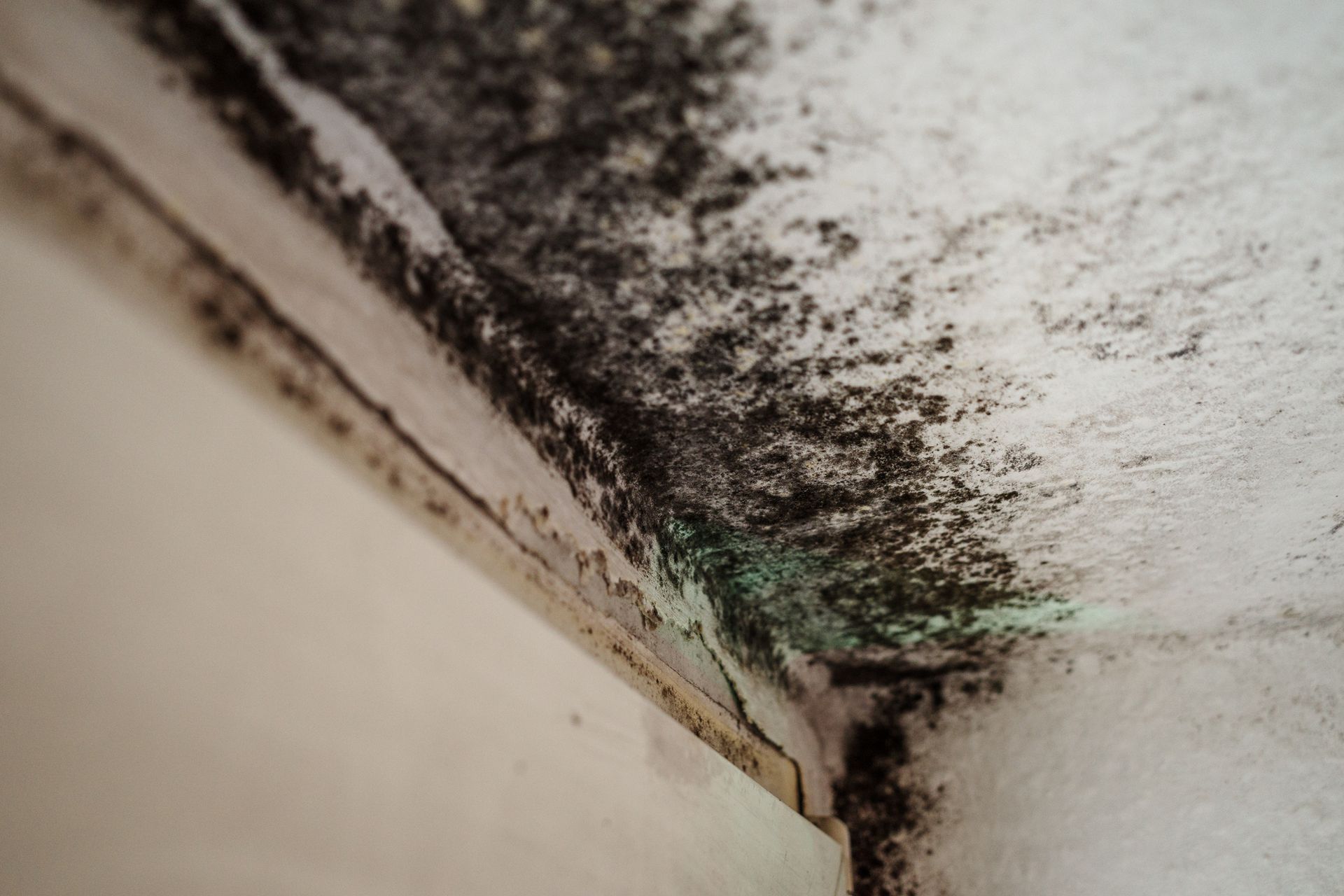
- Mold has a dark or black appearance, or a strong musty odor is present throughout multiple rooms.
- Anyone in the household has respiratory issues, allergies, or a compromised immune system.
- The structure has experienced repeated flooding events.
Attempting to remove widespread mold without proper containment can spread spores to unaffected areas, making the problem significantly worse.
What Does Professional Mold Remediation Involve?
Professional remediation typically includes a thorough inspection and moisture mapping, containment of the affected area to prevent cross-contamination, safe removal of mold-affected materials, antimicrobial treatment of surfaces, and clearance testing to confirm the space is safe. These steps follow established industry protocols and state guidelines for environmental safety in Oklahoma.
How Can I Tell if Mold Is Still Growing After Cleanup?
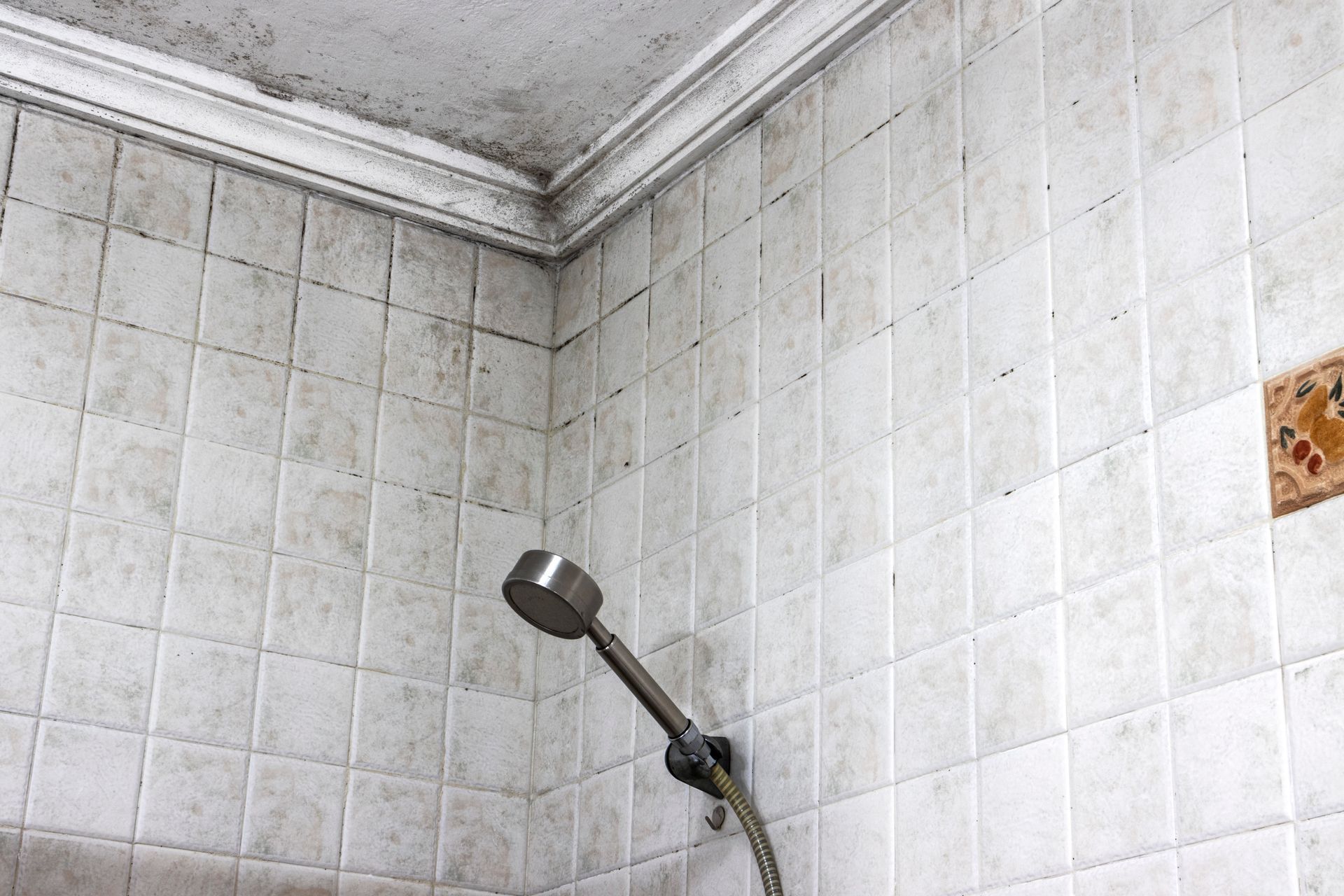
Persistent musty odors, new discoloration on walls or ceilings, and recurring allergy-like symptoms in occupants can suggest that mold growth is continuing. A professional inspection with moisture meters and air sampling can provide a definitive answer.
Act Fast to Protect Your Home After an Oklahoma City Storm
Mold removal in Oklahoma City, OK, is most effective when started within the first 24 to 48 hours after storm water intrusion. The longer moisture sits, the more deeply mold can penetrate building materials, and the more costly and disruptive remediation may become.
If your home or business has experienced storm-related water intrusion, do not wait to see if mold appears. By the time it is visible, it has often already spread into areas you cannot see. Learn more about mold abatement services available in the OKC area and what a licensed remediation team can do to stop mold before it becomes a much larger problem.
AAS Environmental serves residential, commercial, and industrial properties throughout Oklahoma City and the surrounding region. For fast, professional mold removal after storm water damage, contact AAS Environmental or find us on Google.