 (405) 465-0059
 3030 NW Expressway Ste. 200 #395, Oklahoma City, Oklahoma 73112
The Complete Mold Removal Process Explained for Homeowners
April 6, 2026
If you’ve recently spotted mold in your home, understanding the mold removal process is crucial to protecting your family’s health and your property’s value. Whether you’re dealing with hidden fungi behind walls or visible patches in damp spaces, mold removal in Oklahoma City, OK, requires a thorough, step-by-step approach to eliminate the problem effectively and prevent its return. AAS Environmental, serving Oklahoma City and Edmond communities, offers insights into how professional mold remediation works, what you can expect during the process, and why acting promptly with a local expert is your best defense against this persistent issue.
What Causes Mold Growth in Homes?
Mold thrives in environments with excess moisture, warmth, and organic material. In Oklahoma City’s humid climate, common moisture sources include leaks, condensation, poor ventilation, and flooding. Without addressing these underlying moisture problems, mold colonies can quickly spread and reappear even after cleaning. That’s why a successful mold removal
project begins with a careful investigation to identify and eliminate all sources of moisture contributing to mold growth.
Step-By-Step Mold Removal Process
Initial Inspection and Assessment
The first step homeowners will experience is a detailed inspection to locate all mold-affected areas. Professionals use visual checks combined with moisture meters and sometimes air quality tests to assess the extent of mold contamination. Early identification helps in determining the appropriate remediation strategy and any necessary repairs. This step is vital for mold removal to ensure no hidden mold colonies are overlooked.
Containment and Safety Measures
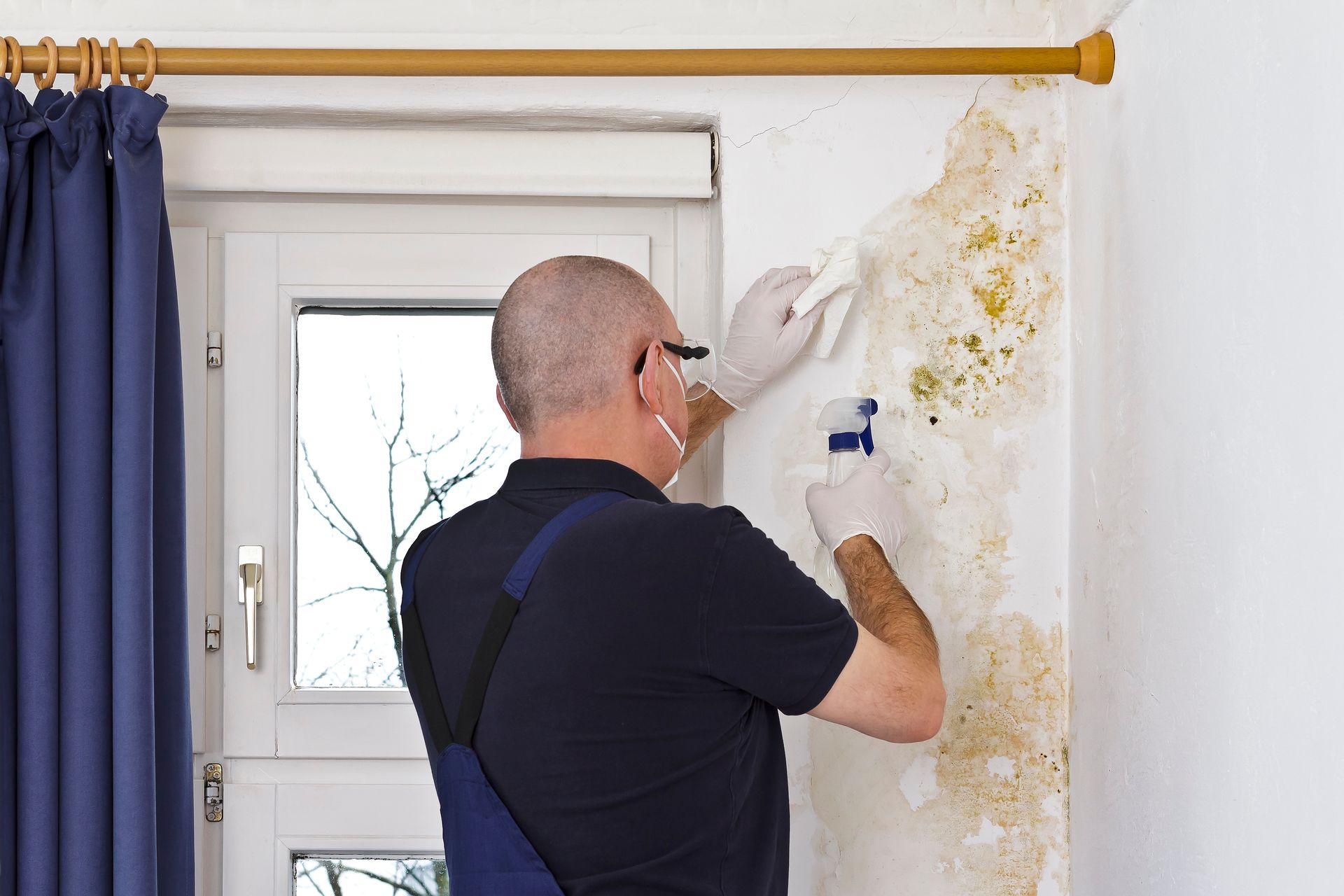
To protect your home and family, mold remediation specialists set up containment barriers around affected spaces. This prevents spores from spreading throughout your living areas during cleanup. Technicians also wear personal protective equipment (PPE) such as respirators, gloves, and suits to ensure their safety while handling mold. Maintaining containment and safety reduces the risk of cross-contamination and exposure.
Mold Removal and Cleaning
The core of the process involves removing mold-contaminated materials. Porous items like drywall, carpet padding, and insulation often require removal and proper disposal. Non-porous surfaces such as wood, tile, and metal are cleaned and treated with antimicrobial agents. Professional mold removal uses specialized equipment and cleaning solutions to thoroughly eliminate mold colonies and spores from the home.
Drying and Dehumidification
Since moisture is the root cause of mold problems, drying affected areas completely is critical. Industrial-grade dehumidifiers and air movers help reduce humidity levels and dry structural components quickly. Proper drying prevents future mold growth and stabilizes the indoor environment. Without this step, mold removal efforts are often temporary and ineffective.
Repair and Restoration
Once mold is removed and surfaces are dry, repair work may be necessary to restore your home. This can include replacing drywall, repainting, or fixing plumbing leaks or ventilation issues identified earlier. Restoring damaged materials returns your home to its pre-mold condition and resolves conditions allowing mold to thrive.
How Professionals Prevent Mold From Returning
Preventing mold recurrence is a top priority in expert remediation services. After the removal and cleanup, professionals often recommend mold-resistant products and improved ventilation solutions. They may advise solutions like installing exhaust fans in moisture-prone areas or upgrading insulation to reduce condensation risk. Continuous monitoring for moisture and maintaining humidity below 60% indoors are crucial long-term strategies shared by specialists for lasting mold prevention.
Importance of Addressing Underlying Moisture Sources
The key to successful mold removal lies in identifying and fixing the root causes. Spot-treating visible mold without correcting leaks, seepage, or poor airflow is ineffective. If moisture is not controlled, mold spores will return and spread. Professional mold remediation teams perform thorough moisture assessments and provide guidance on waterproofing, plumbing repairs, or ventilation improvements to eliminate these triggers for mold growth.
Benefits of Choosing a Local Mold Removal Company
Selecting a locally based mold removal service like AAS Environmental provides several advantages for Oklahoma City and Edmond residents. Local companies can respond faster to emergency mold issues thanks to proximity and familiarity with regional climate challenges. They understand Oklahoma’s common moisture problems and best practices for remediation in local homes. Additionally, local professionals offer personalized service and continuous support for homeowners throughout the mold removal and prevention process.
Final Cleanup and Post-Remediation Verification
After mold removal and repairs, a detailed cleanup is performed to remove dust, debris, and any lingering spores. Many reputable mold remediation companies conduct clearance testing, which confirms that mold levels are back to a safe baseline. This final verification step gives homeowners peace of mind that their home environment is healthy and mold-free.
Take Action Now to Protect Your Home
If you suspect mold in your home, don’t wait to act. The mold removal process requires timely intervention, expert knowledge, and thorough attention to moisture control. Trusting a professional local company ensures a comprehensive approach, from inspection and containment to remediation, drying, repair, and prevention. If you’re ready to take the next step, contact AAS Environmental
today for a professional mold inspection and effective mold removal service tailored to your home’s needs. Protect your family’s health and your property’s value with expert help you can rely on.
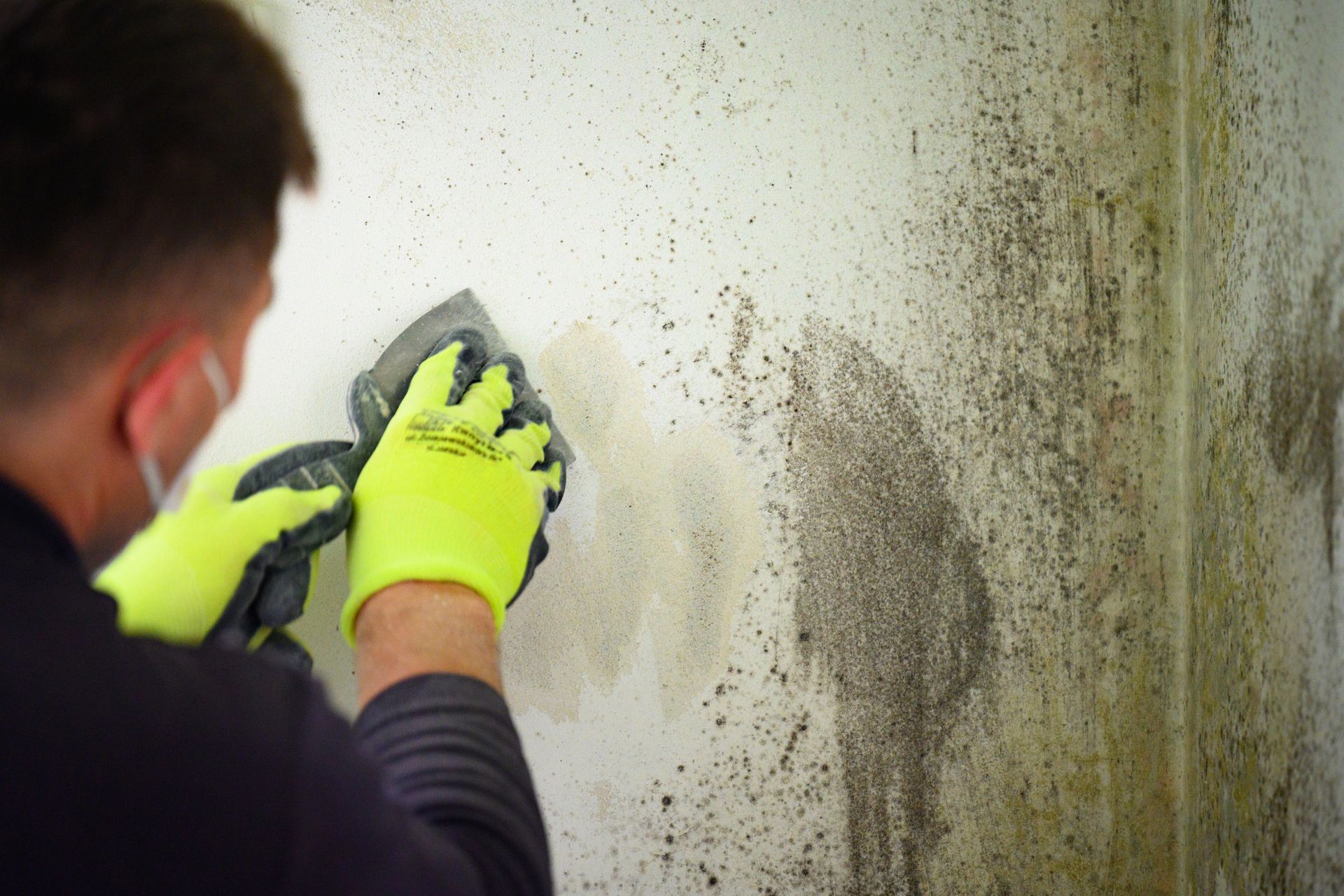
Learn what the mold removal process involves in Oklahoma City, OK. AAS Environmental offers licensed remediation. Call to schedule an inspection today.
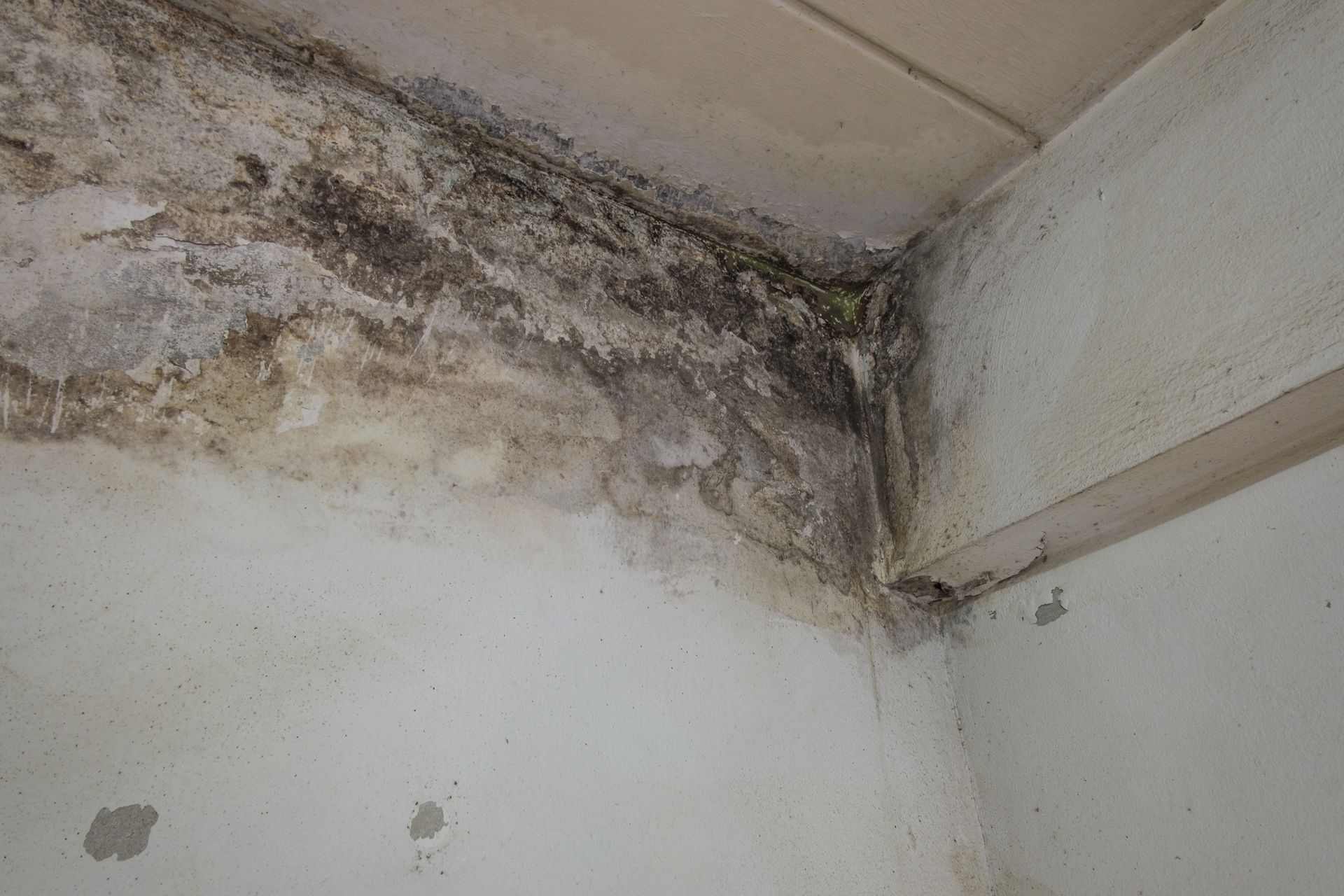
AAS Environmental offers expert mold abatement services in Edmond, OK. Protect your home today; contact us for reliable mold abatement in Oklahoma City, OK!
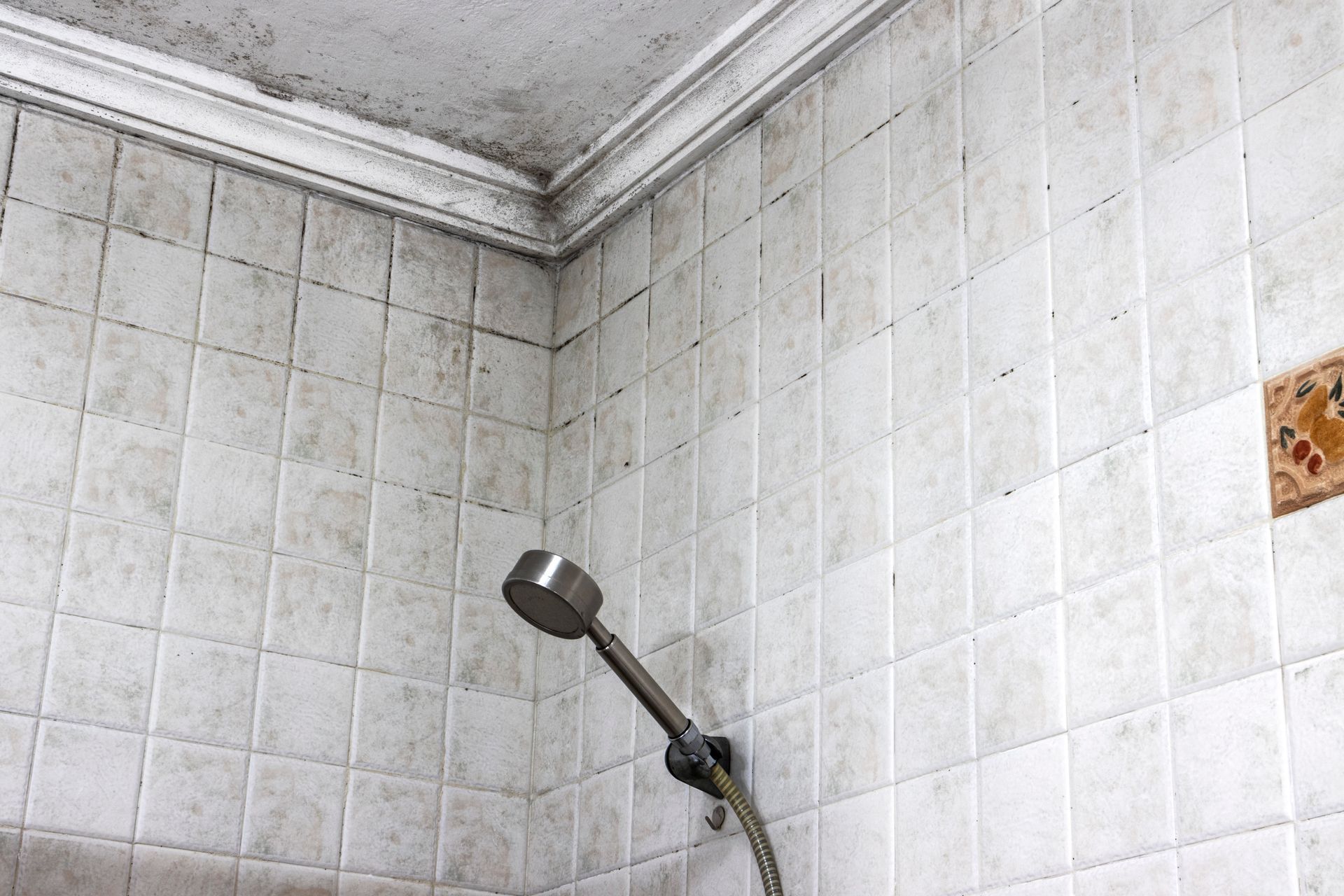
AAS Environmental offers trusted mold removal in Oklahoma City, OK. Protect your home and health—call (405) 465-0059 today.
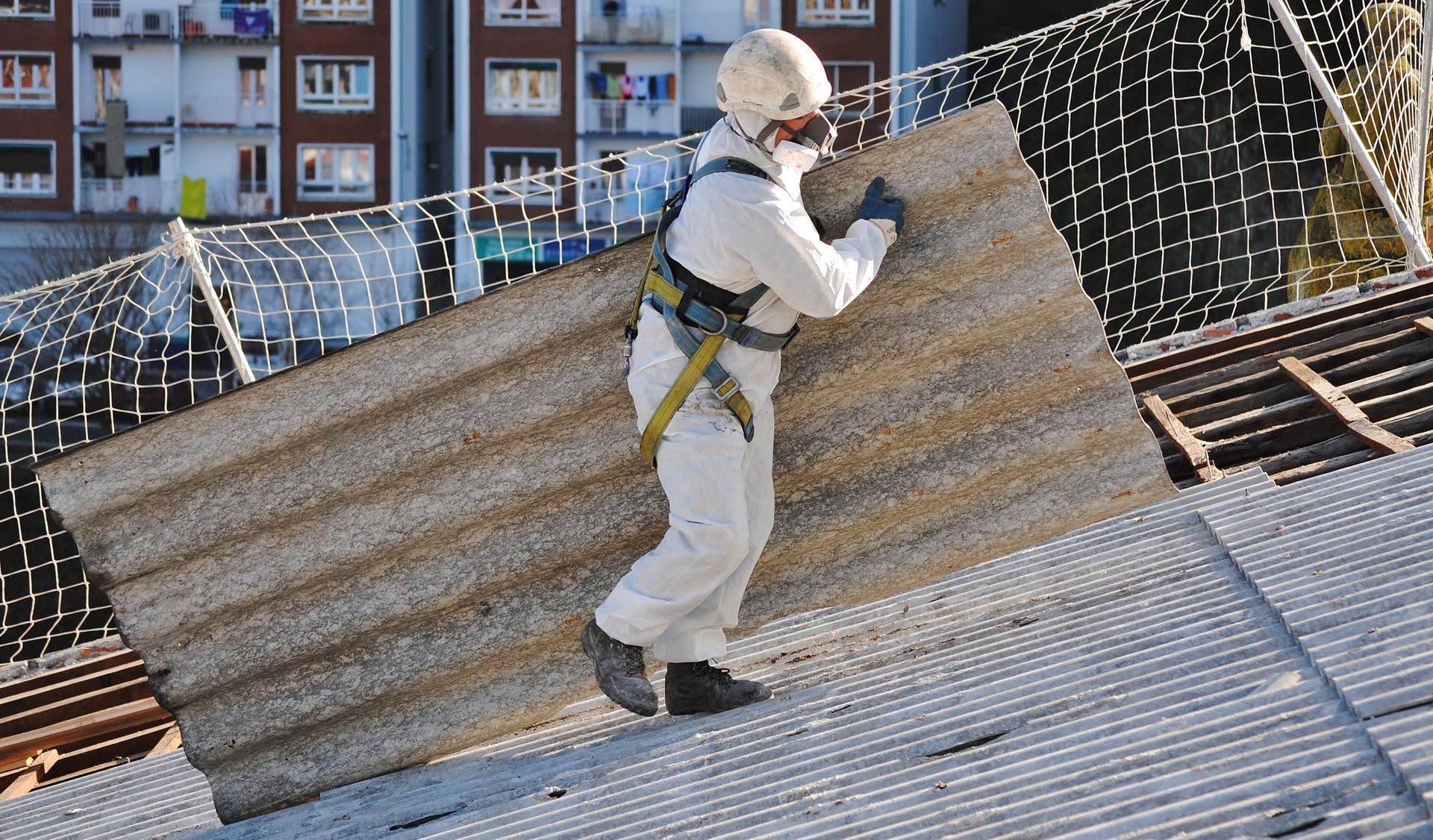
Asbestos Testing in Tulsa, OK, by Marshall Environmental Management. Call 405-616-0401 today for safe, reliable service and peace of mind.
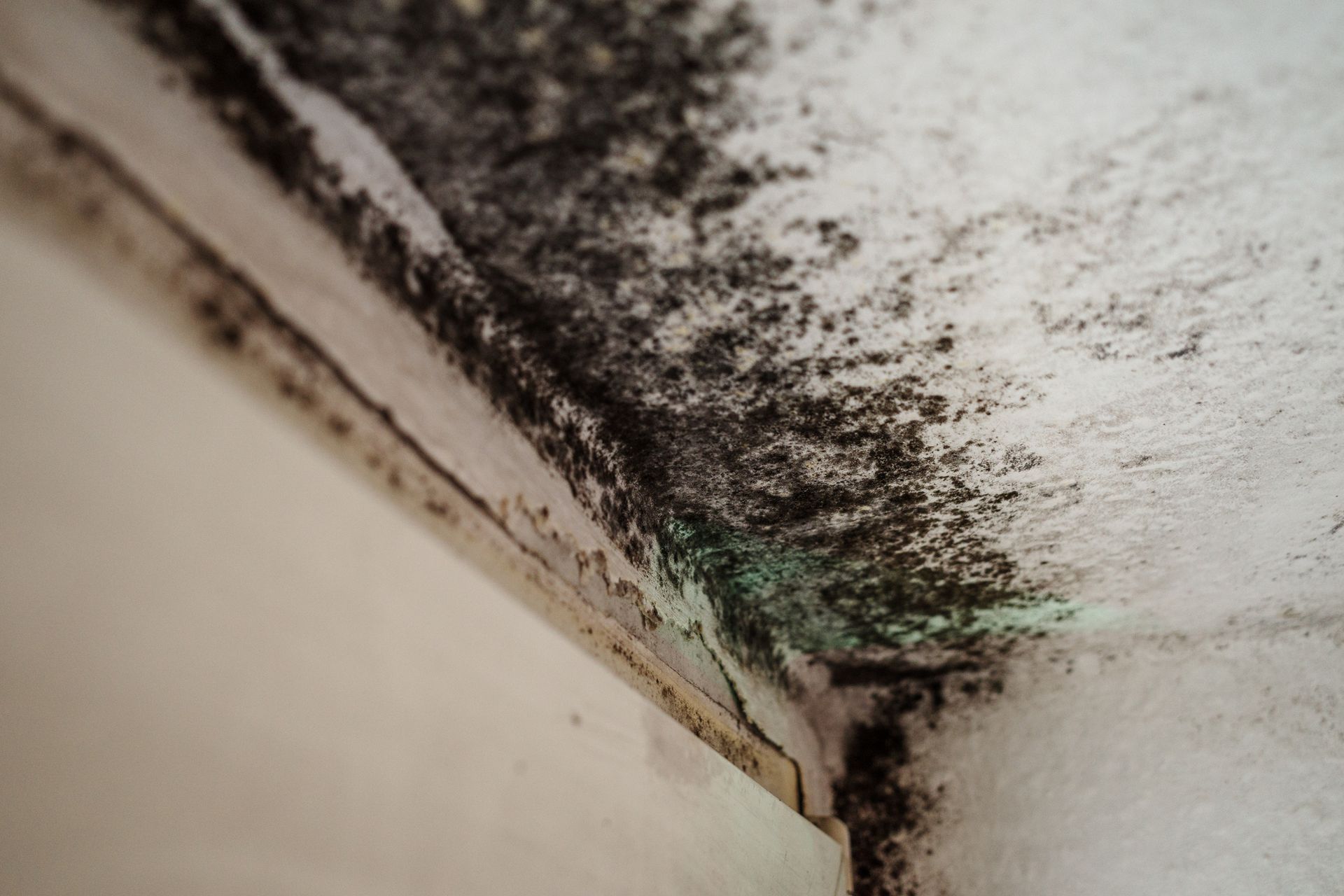
Delay in mold abatement in Oklahoma City, OK can risk your health and property. Call AAS Environmental at (405) 465-0059 today for expert services.
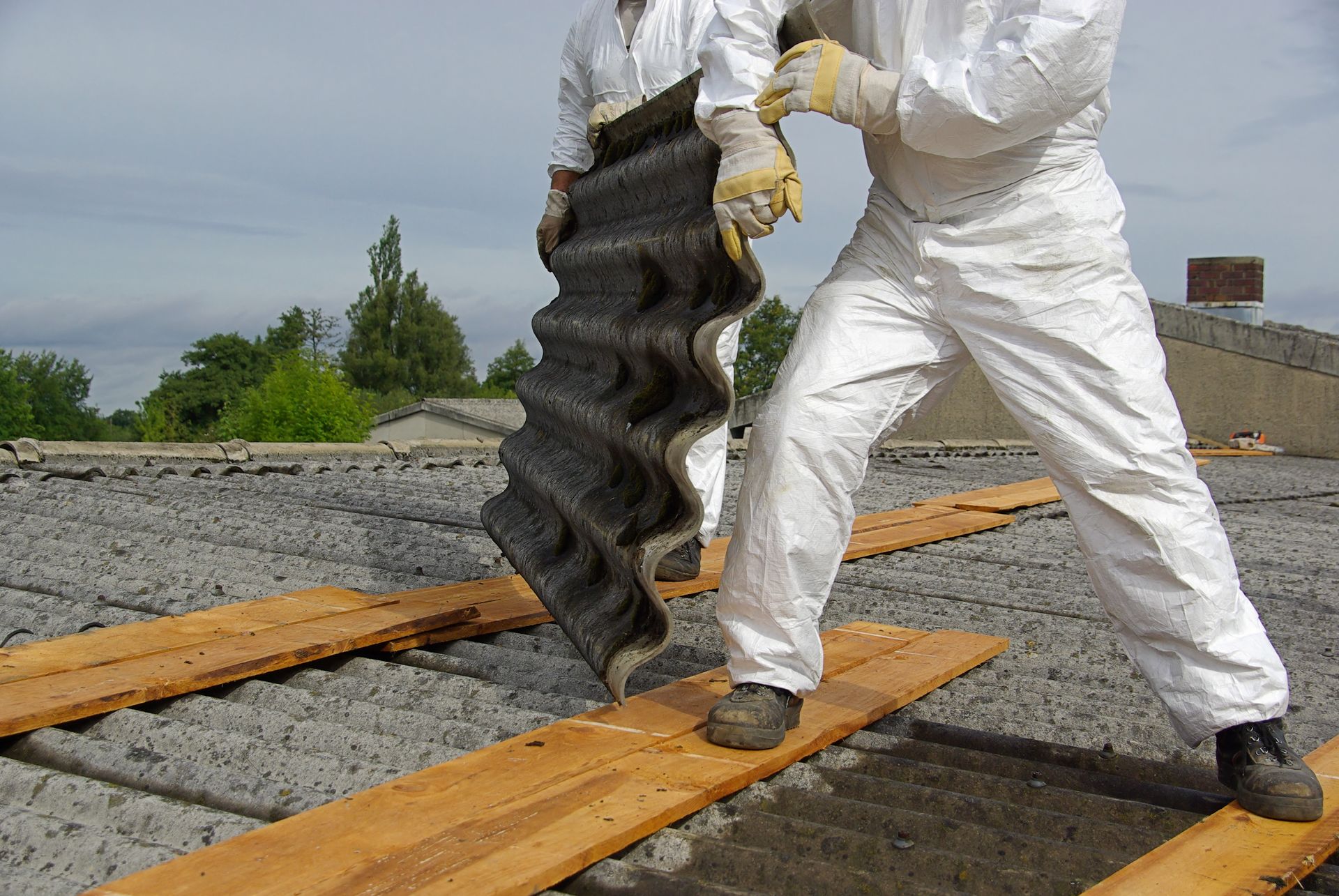
Ensure your home’s safety with asbestos testing in Tulsa, OK. Protect your family and comply with regulations. Call Marshall Environmental at (405) 616-0401.
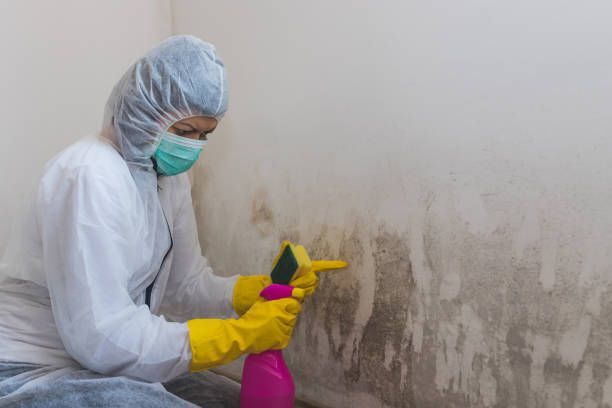
Learn how to protect your property from mold with AAS Environmental's guide to mold removal in Oklahoma City, OK. Click here for more information!
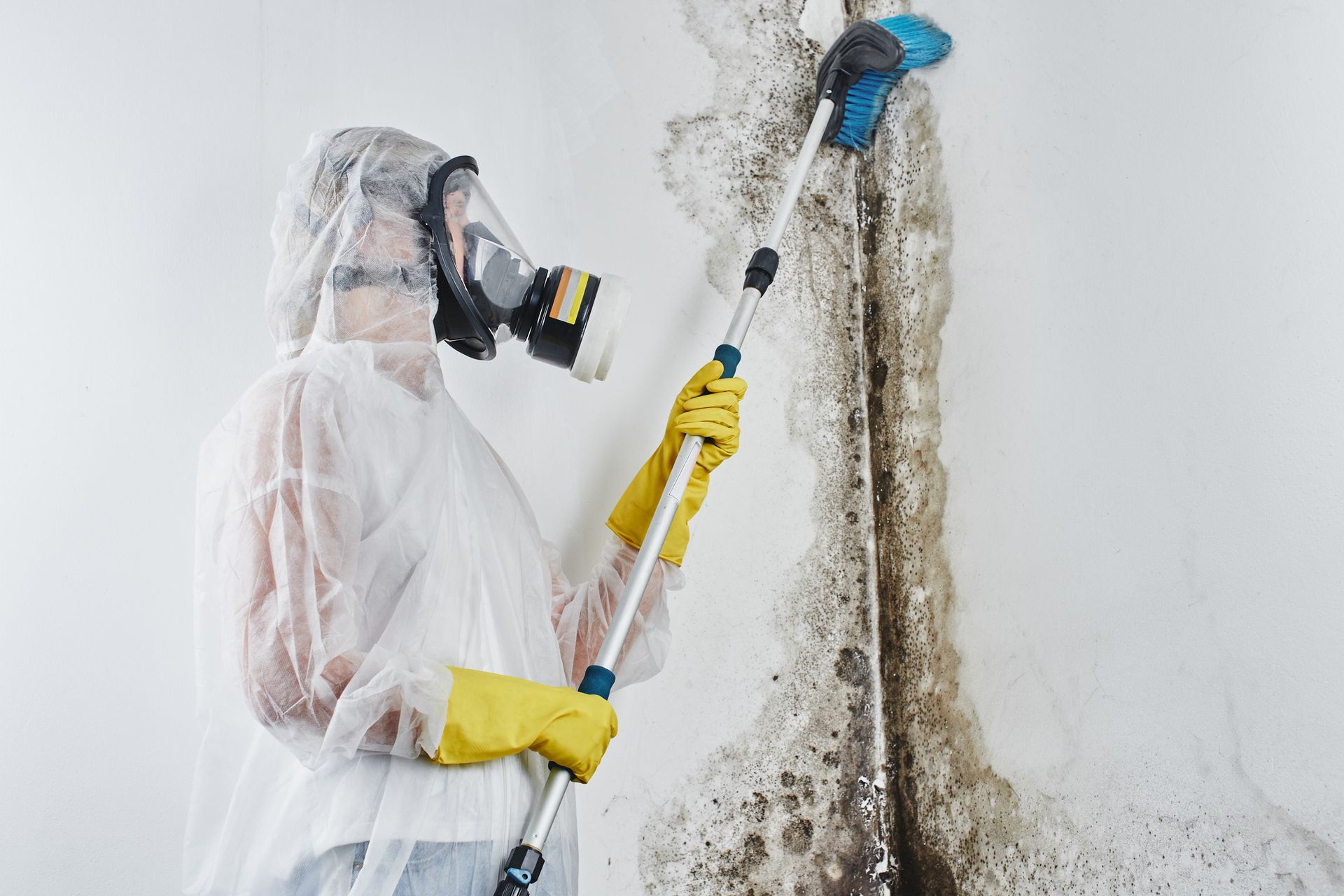
Discover 5 warning signs of mold in your home. Act fast to prevent damage. Call AAS Environmental at (405) 465-0059 for mold removal in Oklahoma City, OK!



